Join the campaign for fairer tax on Scotch Whisky
The challenge
Scotch Whisky producers are facing economic headwinds, and global growth starts at home.
The UK is the industry's 5th largest market, so how Scotch Whisky is taxed in the UK really matters.
At home
Spirits like Scotch Whisky make up a third of sales behind the bar, but duty hikes from the Treasury have seen the price of a bottle of Scotch Whisky rise significantly following a cumulative 17% duty increase in just three years. To put that in context, that is more than duty increased between 1997 and 2010 – the last time Labour were in government in the UK.
In global markets
It is tough out there. Scotch Whisky is dealing with softer global demand, high domestic costs and the legacy of trade disruption, even as important tariff barriers have started to fall. The UK-India trade agreement is welcome but the gains the industry will see are long term – perhaps 10 years into the future - and now free of tariffs in the United States the industry will take time to rebuild from a bruising seven years of on-and-off tariffs. As the opportunities presented by the US and India deals will take time to develop, there is one short term boost which the UK government can take to support the industry now - support the industry in the Budget on 28 October.
Duty on Scotch Whisky and other spirits has increased by 17% in just three years...
...but HM Treasury revenue is falling.
Spirits duty has increased by 17% in the last three years - but essential government revenue has fallen despite the year on year tax hikes.
The OBR recently revealed that forecasts had been overestimated, and that bears out in HM Treasury receipts: in 2025/26, £4.059 billion was collected in spirits excise duty, £94 million less than in 2024/25, and £1.1 billion lower that was forecast in March 2023.
But by reducing the tax burden on Scotch Whisky and other spirits in the Budget on 28 October, the UK government can grow revenue and boost growth. Why? Because it happens time and time again.
- Spirits duty was frozen between 1997 and 2007 - the result? Spirits revenue increased by 32% - from £1.8bn to £2.4bn.
- Spirits duty was cut by 2% in 2015 – the result? Spirits revenue increased by 4%.
- Spirits duty was frozen between 2017 and 2022 – the result? Spirits revenue increased by 20%.
A system weighted against spirits
The current strength-based alcohol duty system, introduced by the previous government in 2023, maintained and increased the tax disparity between spirits and other alcohol categories.
Consumers who choose to enjoy a dram of whisky or a spirit-based cocktail - often containing only 1 or 2 measures, equivalent to 1 or 2 units of alcohol – are consuming less alcohol than the 2.6 units found in an average-strength pint, yet spirits are taxed up to four times more.
The UK government are evaluating the system at the moment, and we are calling on them to address the imbalance in the system and deliver a rational system based on alcohol content.
Alcohol Duty Calculator
Tax disparity isn’t a game. Learn more about the differentiation and unfairness of how spirits are taxed vs other alcoholic products like beer and cider, despite being lower in both units and calories per drink. Higher strength doesn’t mean higher harm, and shouldn’t mean higher tax.
Learn more about the differentiation and unfairness of how spirits are taxed vs other alcoholic products. Select a drink and see how the taxation compares.

Scotch Whisky
50ml
-
 Beer
568ml
Beer
568ml

-
 Cider
568ml
Cider
568ml
-
 Wine
175ml
Wine
175ml

-
 Long Ready to Drink Cocktail
250ml
Long Ready to Drink Cocktail
250ml

-
 Short Ready to Drink Cocktail
125ml
Short Ready to Drink Cocktail
125ml

-
Beer
-
Cider
-
Wine
-
Long Ready to Drink Cocktail
-
Short Ready to Drink Cocktail

What can be done?
With a new Prime Minister at No.10 and Chancellor at HM Treasury, our member companies are united in their view – domestic policies must match the industry’s global ambitions.
Our industry is facing growing headwinds at home. Jobs are being shed, investment paused, and the significant UK-wide economic contribution of the industry cannot be taken for granted.
At the 2026 Autumn Budget, it is vital the UK government listens to the on-the-ground concerns of businesses as we call for greater support amid a challenging economic climate.
The Chancellor must take action to reduce the globally high tax burden in the UK Autumn budget.
- Highest spirits duty of any G7 developed economies
- 4th highest spirits duty rate in Europe
- Spirits taxed at higher rate than other alcohol.
Support in the Budget will help take the pressure off producers, give companies the breathing room to invest, and generate growth in every postcode, from grain to glass, from the Western Isles to East Lothian and across the UK supply chain.
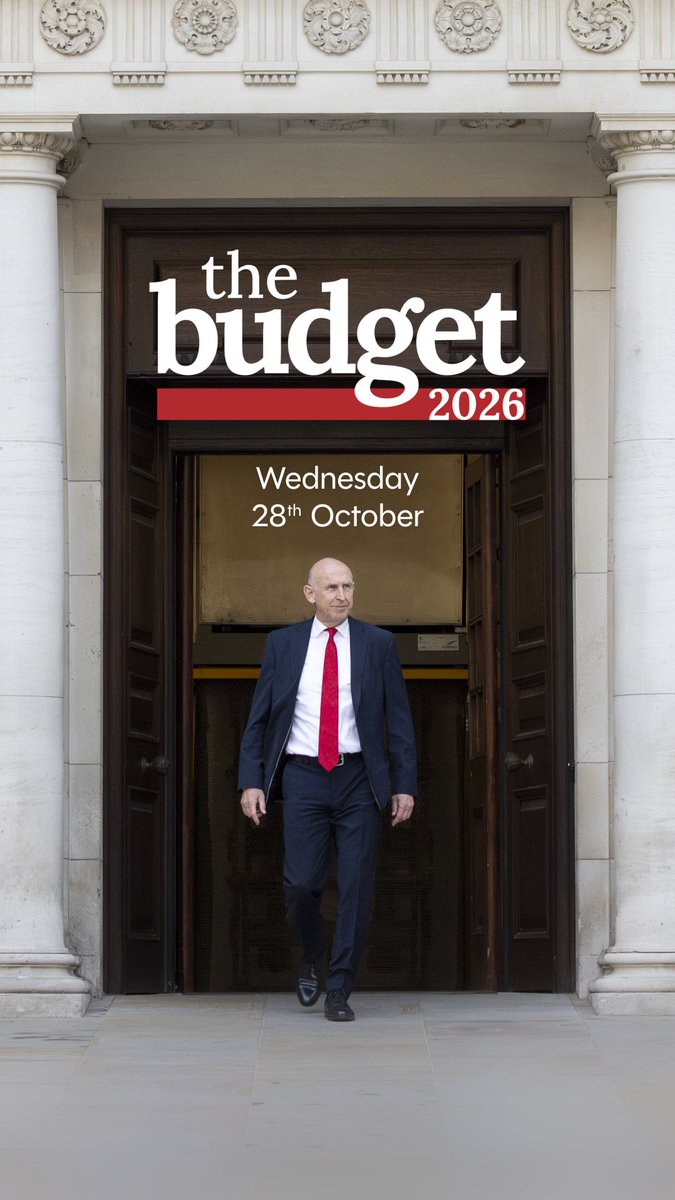
Read our 2026 Budget Submission
Download the submission here.
With over 40 000 jobs supported across Scotland, and more across the wider UK, the economic impact of Scotch Whisky cannot be overstated. Supporting production, logistics, hospitality and more, the industry invests in people. We're calling on the UK Government to recognise the contribution of the sector and commit to #SupportScotch in the upcoming Autumn Budget by cutting spirits duty.